Your cart is empty, and it looks like you haven’t added anything yet.
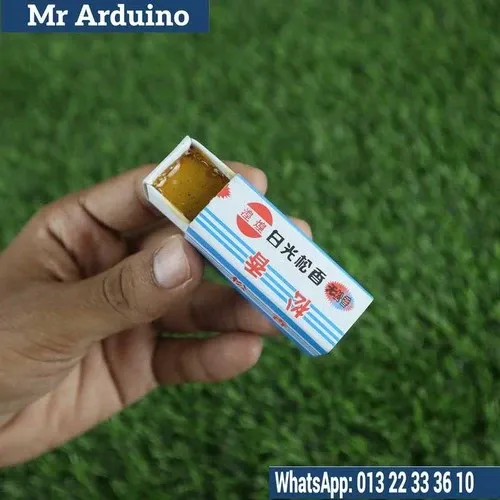
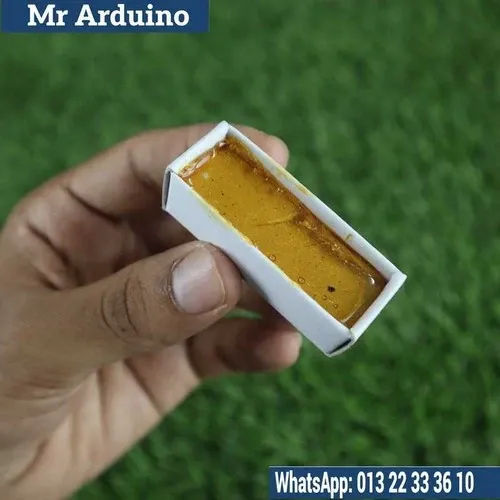
Soldering Resin, also known as flux or soldering flux, is a chemical compound used in the process of soldering to improve the flow of solder and create a stronger, more reliable bond between metal surfaces. It plays a crucial role in removing oxidation and impurities from the surfaces being soldered, preventing the formation of solder bridges, and ensuring a clean and durable connection. The resin is applied to the joint before soldering, helping the molten solder adhere to the surfaces and ensuring smooth, professional-quality results.
Soldering resin is essential in both electronics assembly and repair work, providing excellent results for both beginners and professionals alike.
Key Features:
Improves Solder Flow: The resin lowers the surface tension of the solder, ensuring it flows evenly and adheres to the components and PCB (Printed Circuit Board) pads.
Removes Oxidation: It helps remove oxidation and contaminants from metal surfaces, creating a cleaner environment for soldering.
Prevents Solder Bridges: The resin helps control the amount of solder applied, reducing the chances of unwanted solder bridges or shorts between pins or pads.
Clean and Durable Joints: It aids in the formation of strong, reliable, and conductive solder joints that resist cracking and failure over time.
Versatile Application: Suitable for use on a variety of materials, including PCBs, wires, electronic components, and connectors.
Easy to Use: Soldering resin is typically available in paste, liquid, or gel form, making it easy to apply precisely to the desired area before soldering.
Non-corrosive: High-quality soldering resin is non-corrosive, ensuring that the applied flux will not cause long-term damage to the electronics.
How it Works:
Preparation: Before soldering, a small amount of soldering resin is applied to the joint where you want to make a connection. This can be applied directly to the PCB pads or the component leads.
Activation: Upon heating the area with a soldering iron, the flux in the resin becomes active, breaking down the oxide layers on the metal surfaces and cleaning the joint.
Soldering: As the soldering iron heats the flux, it allows the molten solder to flow more easily, ensuring that the solder adheres evenly and forms a strong, stable joint between the parts.
Post-Soldering: After the joint has been made and the solder has cooled, any excess resin or flux residue can be cleaned off with isopropyl alcohol or a flux cleaner to prevent any long-term issues with corrosion or conductivity.
Applications:
Electronics Soldering: Essential for soldering connections on PCBs, microcontrollers, sensors, and other electronic components to ensure reliable, high-quality connections.
Wire Soldering: Used for joining wires or connecting wires to connectors, improving the efficiency of the soldering process.
SMD (Surface Mount Device) Assembly: Helps in the efficient assembly of SMD components, allowing for a smooth flow of solder for smaller pads and fine-pitch components.
Repairs and Rework: Soldering resin is especially useful in repair and rework tasks, where previously soldered joints need to be cleaned and new solder added.
Automotive and Household Applications: It can be used for soldering connections in automotive electronics, household appliances, and other devices that require durable electrical connections.
Hobby and DIY Projects: Perfect for hobbyists working on Arduino projects, Raspberry Pi setups, or other electronic DIY projects that require precise and reliable soldering.
Limitations:
Residue Cleaning: After soldering, some types of soldering resin may leave behind sticky residues that can affect the functionality or longevity of the electronics if not properly cleaned off.
Corrosive if Not Cleaned: If not cleaned properly after use, flux residue can potentially become corrosive over time, damaging the electronic components.
Not Suitable for All Applications: While flux is excellent for many electronics soldering tasks, it may not be the best solution for certain specialized soldering processes (e.g., high-temperature applications or gold-plated parts).
Possible Smoke Emission: During use, some soldering resins (especially those containing certain chemical compounds) may emit smoke. It's important to work in a well-ventilated area to avoid inhaling fumes.
Types of Soldering Resin:
Rosin-Based Flux: A traditional and commonly used type, offering good performance for most general soldering applications.
No-Clean Flux: Leaves minimal residue after use, which is beneficial for circuits where post-solder cleaning is difficult or impractical.
Water-Soluble Flux: Requires cleaning after use to remove residues, but it can be easier to clean than other flux types.
Acidic Flux: Often used for heavy-duty soldering (e.g., for soldering to stainless steel or other hard-to-solder metals), but it can be corrosive and requires thorough cleaning.
The Soldering Resin is an indispensable tool in the world of electronics for creating strong, clean, and reliable connections. Whether you're assembling a new circuit, repairing a damaged connection, or building a DIY project, soldering resin will ensure that your joints are solid and efficient.
Order your Soldering Resin today at www.mrarduino.com and ensure professional-quality soldering for all your electronic projects!
No review given yet!
Fast Delivery all across the country
Safe Payment
7 Days Return Policy
100% Authentic Products
You need to Sign in to view this feature
This address will be removed from this list