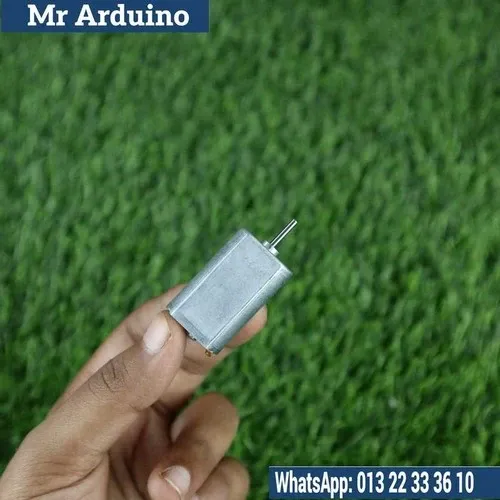
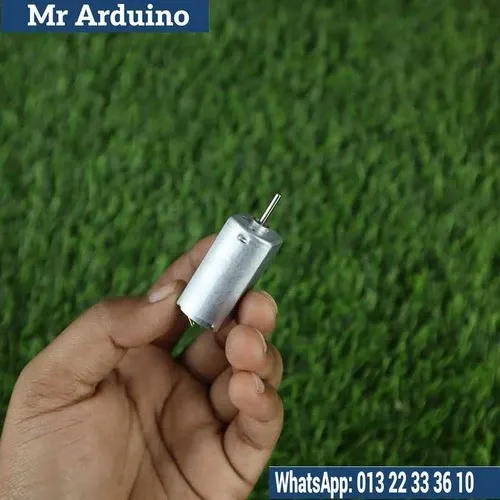
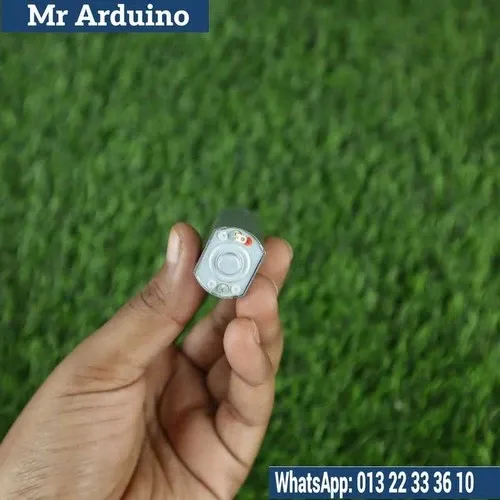
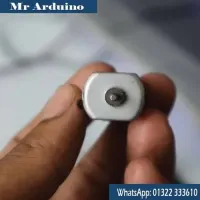
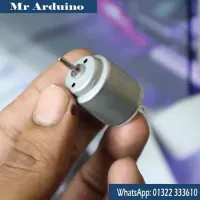
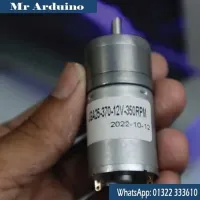
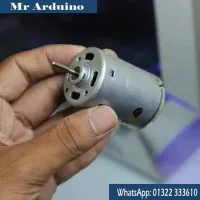
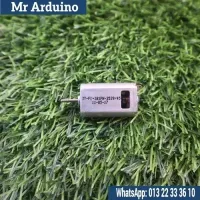
180 DC Brushed Motor

23 Orders 8 Wish listed

৳85

Qty
Total price:
  ৳85

Detail Description

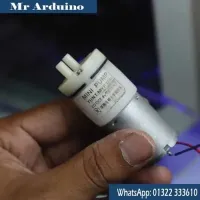
The 180 DC Brushed Motor is a small, compact, and efficient DC motor commonly used in a wide variety of hobbyist, robotics, and DIY electronics projects. This motor is powered by direct current (DC) and operates via brushed technology, meaning it uses brushes that make physical contact with the commutator to transfer electrical energy to the rotor. The 180 DC motor is a popular choice due to its affordable price, compact size, and ability to provide high torque and moderate speed for small-scale applications.

This motor typically operates on a voltage range of 3V to 6V DC and is often used in robots, toys, electric fans, and other low-power devices. The simplicity of its design and functionality makes it a go-to choice for many DIY enthusiasts, engineers, and developers.

Key Features:

  • Voltage Rating: Typically operates at 3V to 6V DC, making it suitable for low-voltage applications.

  • Size: Compact and lightweight, commonly measuring around 25mm in diameter and 50mm in length.

  • Motor Type: Brushed DC motor, which uses carbon brushes to transfer power to the rotor.

  • Speed: Offers moderate to high speeds, usually in the range of 10,000 to 20,000 RPM (revolutions per minute), depending on the operating voltage.

  • Torque: Provides decent torque output for small to medium-load applications.

  • Current Rating: Typically operates at around 100-200mA when under normal load, depending on the voltage.

  • Durability: Brushed motors are durable and inexpensive, but the brushes can wear out over time, requiring maintenance.

  • Operating Temperature: Suitable for a temperature range of 0°C to 40°C, depending on the motor and its load.

Applications:

  • Hobby Projects: The 180 DC brushed motor is commonly used in robotic kits, DIY electronics, and RC vehicles (such as toy cars, drones, or robots) due to its compactness and cost-effectiveness.

  • Toys and Small Appliances: It powers battery-operated toys, small fans, pumps, and vending machines.

  • Automation: Used in small-scale automation systems, such as conveyor belts, sorting machines, and other basic motor-driven mechanisms.

  • Prototyping: Ideal for prototyping applications where low-cost motors are needed to create simple, functional designs before more complex systems are developed.

  • Low-power Vehicles: Used in low-power electric vehicles, such as miniature cars, robotic crawlers, and autonomous vehicles.

  • Cooling Systems: Employed in small cooling fans or heat dissipation systems due to its small size and efficiency.

How It Works: The 180 DC Brushed Motor operates on the principle of electromagnetism. Here's a simplified breakdown of how it works:

  1. Electrical Current: When DC voltage is applied across the motor's terminals, it flows into the armature (the rotating part of the motor), creating a magnetic field.

  2. Brushes and Commutator: The current then flows through the brushes and into the commutator, a rotating switch that periodically reverses the direction of the current flowing into the armature. This ensures that the motor continues to spin in the same direction.

  3. Magnetic Interaction: The magnetic fields generated by the armature and the permanent magnets (in the stator) interact, causing the armature to rotate due to the Lorentz force (a force generated by the interaction of magnetic fields and electric currents).

  4. Rotation: The continuous switching of the current direction, facilitated by the commutator and brushes, ensures smooth and continuous rotation of the armature, which in turn powers the mechanical load attached to the motor shaft.

  5. Speed Control: The motor's speed can be controlled by varying the applied voltage. A higher voltage results in a higher speed, while a lower voltage reduces the motor's RPM (Revolutions Per Minute).

  6. Torque: The amount of torque provided by the motor depends on the current and voltage supplied. Increasing the voltage can increase the torque (within safe operating limits).

Product Limitations:

  • Brush Wear: The brushed design means the motor will eventually wear out due to the physical contact between the brushes and the commutator. Over time, the brushes degrade, which may result in reduced performance or complete failure. Brushless DC motors are an alternative that eliminates this issue but tend to be more expensive.

  • Limited Efficiency: While brushed motors are inexpensive and simple, they tend to be less efficient than brushless motors due to the energy losses at the brush-commutator interface.

  • Noise: Brushed motors can produce mechanical noise due to the friction between the brushes and commutator, which may be undesirable in noise-sensitive applications.

  • Limited Durability: Brushed motors are typically less durable than brushless motors, especially in high-duty cycles, due to the wear and tear on the brushes and commutator.

  • Speed and Torque Limitations: While the motor provides decent speed and torque for smaller applications, it may not be suitable for high-power or high-torque applications.

Conclusion: The 180 DC Brushed Motor is a reliable and affordable motor ideal for small-scale applications that require moderate speed and torque. Whether you're working on robotics, hobbyist projects, or DIY devices, this motor provides the necessary power in a compact package. It's perfect for low-power projects, toys, and basic automation systems.

However, due to its brushed design, this motor may require periodic maintenance, as the brushes will wear out over time. For applications demanding higher efficiency or longer operational life, a brushless motor might be a more appropriate choice.

No review given yet!

Fast Delivery all across the country
Safe Payment
7 Days Return Policy
100% Authentic Products

You may also like

View all

Piezo Element

৳50

LiPo Battery 7.4V 1100 Mah 2S LiPower

৳1,250

105mm ABS Propeller Set 3 Pieces

৳120

Brushed ESC 20A

৳340

JST Connector Male Female Pair

৳40

180 DC Brushed Motor
৳85 ৳0
৳85
85